
NEWS
The Hidden Dangers of Solar Observations Without Proper Protection

When a solar eclipse graces our skies, it’s a natural phenomenon that draws the eyes of many. However, the allure of this celestial event can pose significant risks if proper precautions are not taken. The sun emits intense light and radiation that can cause permanent retinal damage, known as solar retinopathy, when viewed directly without specialized eclipse glasses.

Understanding Solar Retinopathy
Solar retinopathy occurs when the retina, the light-sensitive layer at the back of the eye, is exposed to direct sunlight. This exposure can burn the retinal tissue, leading to visual impairment or even permanent blindness. The danger is compounded during an eclipse, as the sun’s rays become focused into a more intense beam of light.
The Only Safe Way to View an Eclipse
The only safe moment to view an eclipse without protection is during the brief phase of totality, when the moon completely covers the sun. Outside of this fleeting window, viewers must use eclipse glasses that meet the international standard for solar viewing, ISO 12312-2. These glasses are designed to filter out harmful ultraviolet and infrared rays and allow safe observation of the sun.
Alternatives to Eclipse Glasses
For those unable to secure eclipse glasses, there are alternative methods to enjoy the eclipse safely. One popular method is the pinhole projector, which allows viewers to project an image of the sun onto a flat surface. This indirect viewing method ensures that no direct sunlight enters the eyes.
The Consequences of Ignoring Safety Measures
Ignoring the need for eclipse glasses or other protective measures can result in irreversible damage to the eyes. The symptoms of solar retinopathy may not be immediate, but the long-term effects can be devastating. It’s a risk that’s simply not worth taking.

Amazon’s Apple Prime Deals Mostly Undo the June Hikes

The Atlantic’s First Hurricane Is Aimed at Soaked Gulf Soil

Iran’s Hormuz Attacks Target the Route That Restored Crude

S&P 500 Clears 7,800 as AI Chips Outrun Yields

Russia’s No-Plague Finding Leaves a Siberian Death Unexplained

AI Server Boards Put Everyday Circuit Materials on Allocation

Glacier Collapse Buried Nepal’s Hydropower Workers in Tunnels

Congo’s Bundibugyo Outbreak Outruns the Licensed Ebola Shots

Germany Can Miss Its 2026 Climate Cap Without Penalty

CISA’s Known Exploits Still Come From 2007-Era Bugs
-
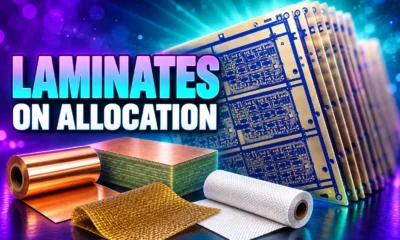 NEWS1 month ago
AI Server Boards Put Everyday Circuit Materials on Allocation
-
 NEWS2 months ago
Glacier Collapse Buried Nepal’s Hydropower Workers in Tunnels
-
 NEWS2 months ago
Congo’s Bundibugyo Outbreak Outruns the Licensed Ebola Shots
-
 NEWS2 months ago
Germany Can Miss Its 2026 Climate Cap Without Penalty
-
 NEWS2 months ago
CISA’s Known Exploits Still Come From 2007-Era Bugs
-

 NEWS2 months ago
Pennsylvania Measles Deaths Follow a Long Slide in Coverage
-

 BUSINESS2 months ago
Trump’s Venezuela Oil Deal Leaves the Barrels in the Ground
-

 NEWS2 months ago
A Cow Rumen Enzyme Dissolves Superbug Biofilms on Gauze